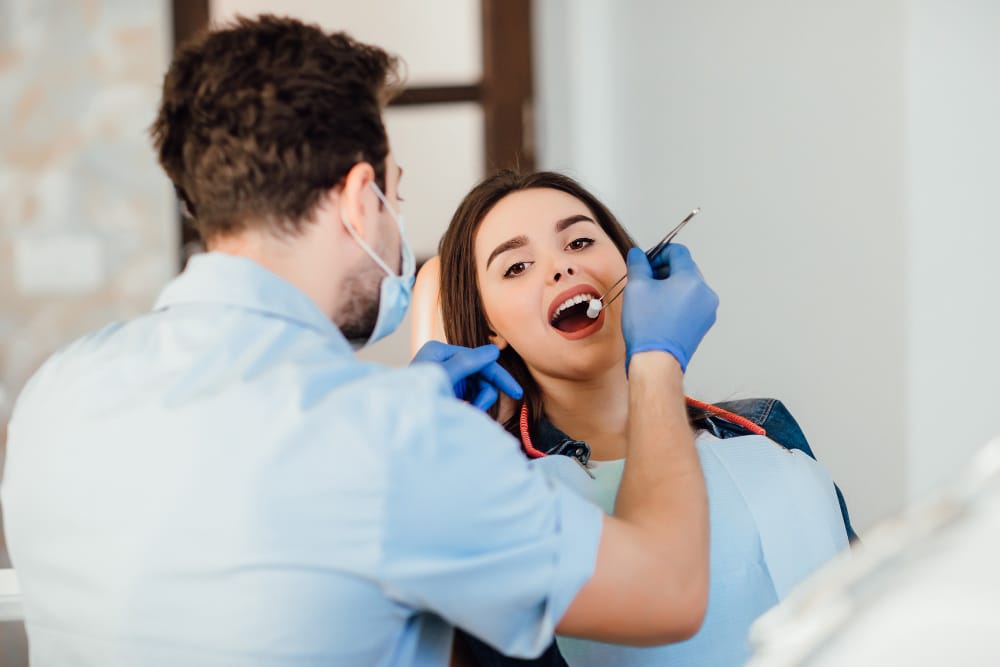
When most people think about healthcare, they picture doctor visits only when something feels wrong. But the truth is, the best healthcare often happens before problems begin. That’s exactly what preventive care is all about—taking small, smart steps today to protect your health for the long run.
If you live in Olive Branch, Indianapolis, preventive care can be one of the easiest ways to maintain a healthier lifestyle, avoid unexpected medical expenses, and feel more confident about your overall wellbeing. Whether you’re a working professional, a parent managing a busy home, or someone focused on improving long-term health, preventive care supports everyone.
What is preventive care?
Preventive care includes health services that help you avoid illness, detect issues early, and reduce health risks. Instead of waiting for symptoms, preventive care helps catch problems at an early stage—when they are usually easier and less expensive to treat.
It’s not only about tests and vaccines. Preventive care also includes wellness visits, lifestyle guidance, and screenings that monitor your body’s health over time.
Why preventive care matters in daily life
Life moves fast in Indianapolis, and health can easily be pushed to the bottom of the priority list. But preventive care brings health back into focus without being overwhelming. Here’s why it matters:
1. Early detection saves lives
Many serious conditions like high blood pressure, diabetes, and certain cancers can develop silently. Preventive screenings help identify warning signs early, often before you feel anything.
2. Lower long-term healthcare costs
Preventive care can reduce the chances of emergency visits or advanced treatment costs later. A simple checkup today can prevent major expenses tomorrow.
3. Better energy and quality of life
Preventive care is not just about avoiding disease—it’s also about helping you feel your best. Managing stress, sleep, and nutrition can improve how you feel daily.
4. Peace of mind for families
For parents, preventive care gives confidence that children are growing well and staying protected. For adults, it ensures health risks are being managed before they become serious.
Common preventive care services you should know
Preventive care can look different based on your age, lifestyle, and medical history, but these are some of the most common services people use:
Routine wellness exams
These are regular checkups that help track your general health, including weight, blood pressure, and overall physical condition.
Vaccinations and immunizations
Vaccines are a key part of prevention and help protect against illnesses like flu and other infections.
Health screenings
Screenings can help detect early signs of conditions such as:
High blood pressure
High cholesterol
Diabetes risk
Heart disease concerns
Certain cancers (based on age and risk level)
Women’s and men’s preventive health support
Preventive care can include reproductive health checkups, hormone health discussions, and screenings specific to men and women.
Lifestyle and wellness guidance
This is one of the most useful parts of preventive care. Many people benefit from support with:
Nutrition habits
Weight management
Physical activity routines
Stress control
Sleep improvement
Preventive care for different age groups
For children and teens
Preventive care helps monitor growth, development, immunity, and general wellbeing. It also supports healthier routines early in life.
For adults
Preventive care helps track key health markers and catch issues early, especially with work stress, busy routines, and lifestyle changes.
For seniors
As we age, the focus shifts to maintaining independence, monitoring chronic conditions, and reducing the risk of complications through routine screenings and care planning.
Building healthy habits beyond checkups
A preventive care visit is only one part of staying healthy. Small changes in daily life can make a big difference, especially when done consistently. Here are a few realistic habits that support long-term wellness:
Stay active with short daily walks or simple workouts
Eat balanced meals with enough protein, vegetables, and water
Reduce excess sugar and processed foods where possible
Maintain a consistent sleep schedule
Manage stress through breathing, breaks, or personal hobbies
Avoid ignoring symptoms that last more than a few days
Even if your life is busy, starting with one small habit is still progress.
When should you consider a preventive checkup?
Many people wait until a health issue becomes uncomfortable. But it’s better to schedule preventive care if:
You haven’t had a routine checkup in the last year
You feel tired more often than usual
You’ve gained or lost weight unexpectedly
You have a family history of major health conditions
You’re starting a new job or lifestyle routine
You want to track your health for long-term wellness
Preventive care isn’t only for people who feel “sick.” It’s for anyone who wants to stay in control of their health.
Final thoughts
Preventive care in Olive Branch, Indianapolis is one of the smartest ways to protect your health and reduce future risks. It helps you detect issues early, build healthier routines, and stay more confident in your day-to-day life. When you treat your health as a priority now, you give yourself a better future—one checkup, one screening, and one habit at a time.