
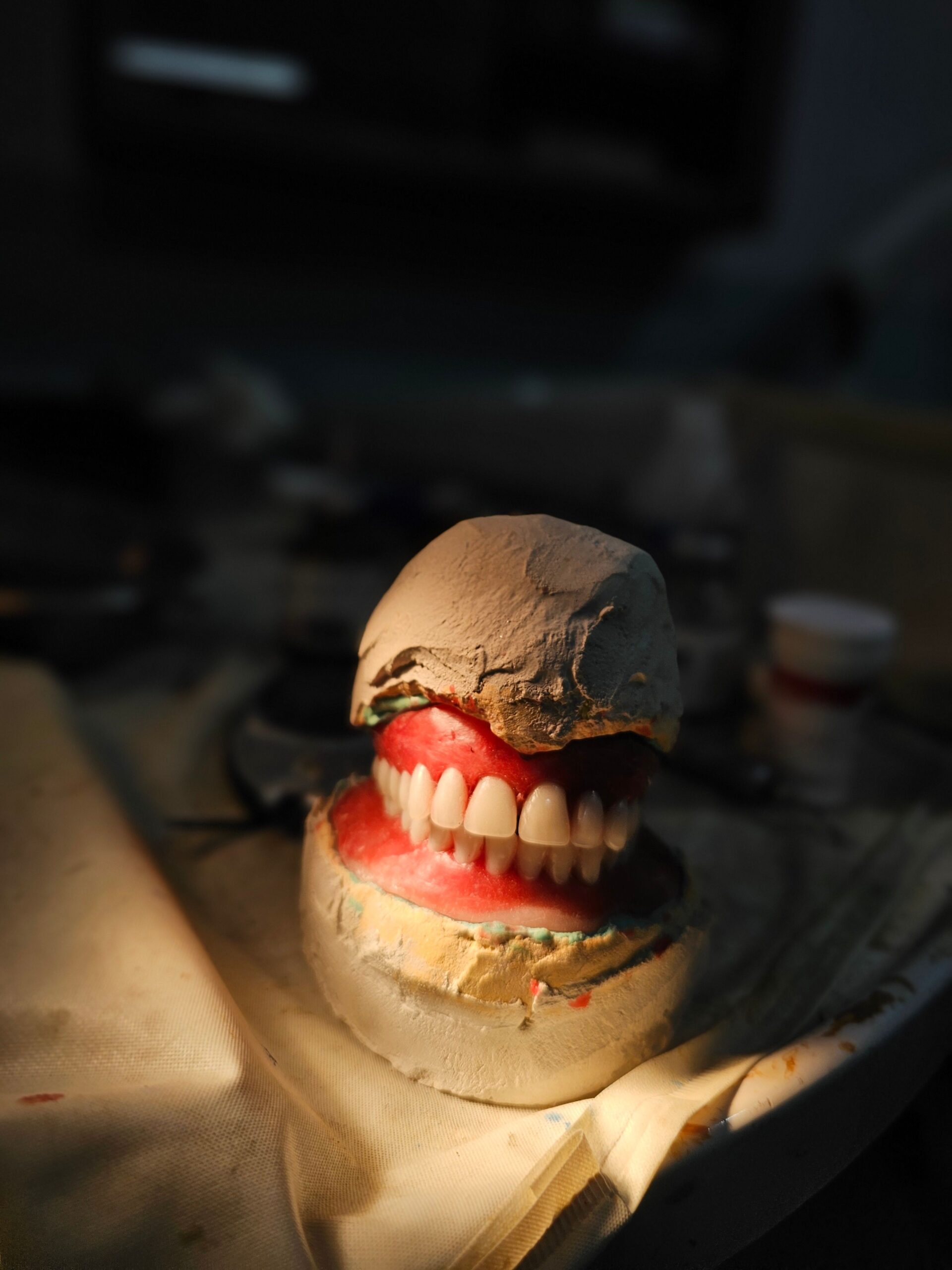
Dentures have come a long way from the bulky, uncomfortable devices many people picture. Today’s dentures are custom-crafted, natural-looking, and designed with your comfort and confidence in mind. At Olive Branch Dental in Indianapolis, we help patients navigate the many modern denture options available, so replacing missing teeth feels less like a compromise and more like a genuine restoration of function and appearance.
Complete vs. Partial Dentures
Complete dentures replace an entire arch of missing teeth, either upper, lower, or both, and rest directly on the gums, held in place by natural suction and, when needed, denture adhesive. Partial dentures are used when some natural teeth remain, filling the gaps with a custom framework that clips discreetly onto the surrounding teeth. Both options are custom-fitted to your mouth, and modern materials allow for a far more comfortable, secure fit than older generations of dentures.
Traditional vs. Implant-Supported Dentures
Traditional removable dentures rest on the gums and can be taken out for cleaning each night. Implant-supported dentures, by contrast, are anchored to a small number of dental implants placed in the jawbone, providing significantly more stability and chewing power. Patients who struggle with slipping, clicking, or discomfort from traditional dentures often find implant-supported options life-changing, since they stay firmly in place during eating and speaking without the need for adhesives.
The Modern Denture Fitting Process
Getting dentures today typically begins with a thorough evaluation of your gum health and any remaining teeth, followed by detailed impressions and measurements used to design a denture custom to your mouth’s shape and your desired appearance. Several fitting appointments allow your dentist to fine-tune the color, shape, and bite before your final denture is completed, ensuring a natural look and comfortable fit rather than a generic, one-size-fits-all result.
Adjusting to Your New Dentures
It is completely normal to need a short adjustment period when you first start wearing dentures. Minor soreness, increased saliva production, and some difficulty with certain sounds while speaking often improve within a few weeks as your mouth adapts. Starting with soft foods and gradually reintroducing firmer textures helps you build confidence with chewing. Your dentist may schedule a few follow-up visits shortly after your dentures are delivered to make small adjustments as your gums settle into their new fit.
Caring for Modern Dentures
Removable dentures should be cleaned daily with a denture brush and dentist-recommended cleanser, never regular toothpaste, which can be too abrasive for denture material. Dentures should be kept moist when not being worn, typically soaking in water or a denture solution overnight, to prevent warping. Even with full or partial dentures, regular dental checkups remain important to monitor your gum health, the fit of your denture, and any remaining natural teeth.
Signs It Might Be Time for New or Adjusted Dentures
Dentures that once fit well can gradually loosen over time as the shape of your gums and jawbone naturally changes. Signs it may be time for an adjustment or replacement include increased slipping or clicking while eating or speaking, sore spots that develop with regular wear, visible wear on the denture teeth, or difficulty chewing foods you previously managed comfortably. Most dentures benefit from a reline or adjustment every few years, with full replacement typically recommended every five to ten years.
Is an Implant-Supported Denture Right for You?
Not every denture patient needs implant support, but for those experiencing chronic discomfort or instability with a traditional denture, it is worth exploring. A consultation, including imaging to evaluate your jawbone, can determine whether you are a good candidate and how many implants would be recommended to provide a secure, comfortable foundation.
Frequently Asked Questions
How long does it take to get used to new dentures?
Most patients adjust within a few weeks, though full comfort with speaking and eating can take a little longer depending on the individual.
Can I sleep in my dentures?
Dentists generally recommend removing dentures at night to give your gums a rest and to keep the denture material properly moist for longevity.
How often should dentures be replaced?
Most dentures need replacement every five to ten years, though this varies based on wear, changes in your mouth, and how well the denture has been cared for.
Are implant-supported dentures more expensive?
Implant-supported dentures typically cost more upfront than traditional dentures due to the surgical placement of implants, but many patients find the improved stability and comfort well worth the investment.
Will my dentures look natural?
Yes, modern dentures are custom-shaded and shaped to closely resemble natural teeth and gums, designed with your facial structure and preferences in mind.
Explore Modern Denture Options
Whether you are considering dentures for the first time or looking to upgrade an older, uncomfortable set, our Indianapolis team at Olive Branch Dental is here to help. Schedule a consultation today to explore the modern denture solution that fits your life.
