
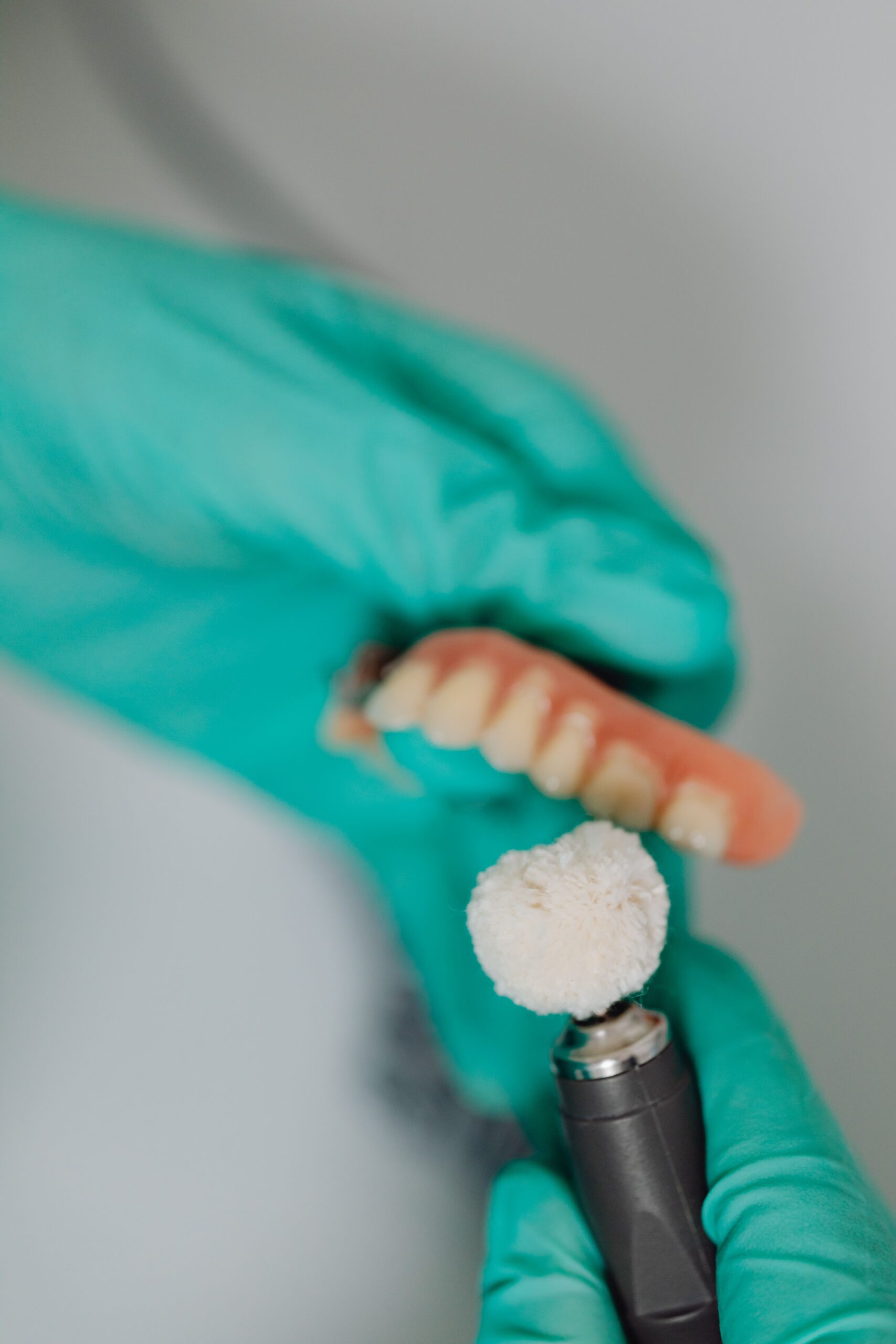
Whether you have worn dentures for years or recently received a new set, everyday care makes a significant difference in comfort, longevity, and oral health. At Olive Branch Dental in Indianapolis, we walk every denture patient through practical care habits that keep both the denture and the surrounding tissue healthy for years to come.
Daily Cleaning Basics
Dentures should be removed and cleaned daily using a soft denture brush and a cleanser specifically designed for dentures, never regular toothpaste, which is often too abrasive and can create tiny scratches where bacteria can accumulate. Clean over a folded towel or a sink filled with water to cushion the denture in case it is dropped, since dentures can crack or break if handled carelessly over a hard surface.
Keeping Dentures Moist
Dentures need to stay moist when not being worn to maintain their shape, since drying out can cause the material to warp or lose its precise fit. Most patients store their dentures overnight in water or a denture-soaking solution recommended by their dentist. Always rinse a denture thoroughly after soaking in a cleaning solution before placing it back in your mouth, since some solutions are not meant to be swallowed.
Caring for Your Gums and Remaining Teeth
Even with full dentures, your gums and any remaining oral tissue need daily attention. Gently brush your gums, tongue, and the roof of your mouth with a soft-bristled brush each morning before inserting your dentures, which helps stimulate circulation and remove bacteria that can build up overnight. For partial denture wearers, remaining natural teeth still need regular brushing and flossing to prevent decay and gum disease.
Giving Your Mouth a Break
Most dentists recommend removing dentures at night to give your gum tissue a chance to rest and recover from a full day of wear. Continuous, around-the-clock wear can increase the risk of irritation and, in some cases, fungal infections like oral thrush. Removing dentures overnight also gives you the opportunity to properly clean and soak them, supporting both oral health and the longevity of the denture itself.
Handling Adhesives Properly
If your denture requires adhesive for a secure fit, use it according to the manufacturer’s instructions, applying a thin, even layer rather than excessive amounts, which can actually make dentures feel less stable and create a messier cleanup. If you find yourself needing increasing amounts of adhesive over time to keep your denture in place, this often signals it is time for a fit evaluation, since your gums and jawbone naturally change shape over time.
Eating Comfortably With Dentures
New denture wearers often benefit from starting with softer foods and gradually reintroducing firmer textures as they build confidence and comfort. Cutting food into smaller pieces and chewing slowly and evenly on both sides of the mouth helps distribute pressure and reduces the chance of the denture shifting during meals. Over time, most patients find they can comfortably enjoy a wide variety of foods.
Watching for Signs Your Denture Needs Attention
Contact your dentist if you notice increased slipping or looseness, sore spots that develop with regular wear, visible cracks or chips in the denture material, or difficulty chewing foods you previously managed comfortably. Most dentures benefit from periodic adjustments or relines as your mouth changes shape over the years, and catching fit issues early helps prevent irritation and discomfort.
Traveling With Dentures
If you are traveling, pack a denture case, your cleaning supplies, and a spare set of adhesive if you use one, since finding these items away from home can be inconvenient. Avoid wrapping dentures in a napkin or tissue during meals out, as this is one of the most common ways dentures are accidentally thrown away. A little extra preparation before a trip helps you maintain your normal routine and avoid unnecessary stress while away from home.
Frequently Asked Questions
How often should I clean my dentures?
Dentures should be cleaned at least once daily, ideally after meals when possible, to remove food particles and bacteria before they have a chance to build up.
Can I use regular toothpaste on my dentures?
No, regular toothpaste is often too abrasive for denture material and can create small scratches. Use a cleanser specifically designed for dentures instead.
How long do dentures typically last before needing replacement?
Most dentures last five to ten years before needing replacement, though periodic adjustments or relines may be needed sooner as your gums and jawbone change shape.
Is it normal for dentures to feel loose over time?
Some looseness over the years is common as your jawbone naturally changes shape. If it becomes bothersome, a reline or adjustment can often restore a comfortable fit.
Should I still see my dentist regularly if I have dentures?
Yes, regular checkups remain important to monitor your gum health, denture fit, and any remaining natural teeth, even after transitioning to dentures.
Keep Your Dentures Comfortable and Long-Lasting
If your dentures are not fitting as comfortably as they used to, or it has been a while since your last checkup, our Indianapolis team at Olive Branch Dental is here to help. Schedule your appointment today.
