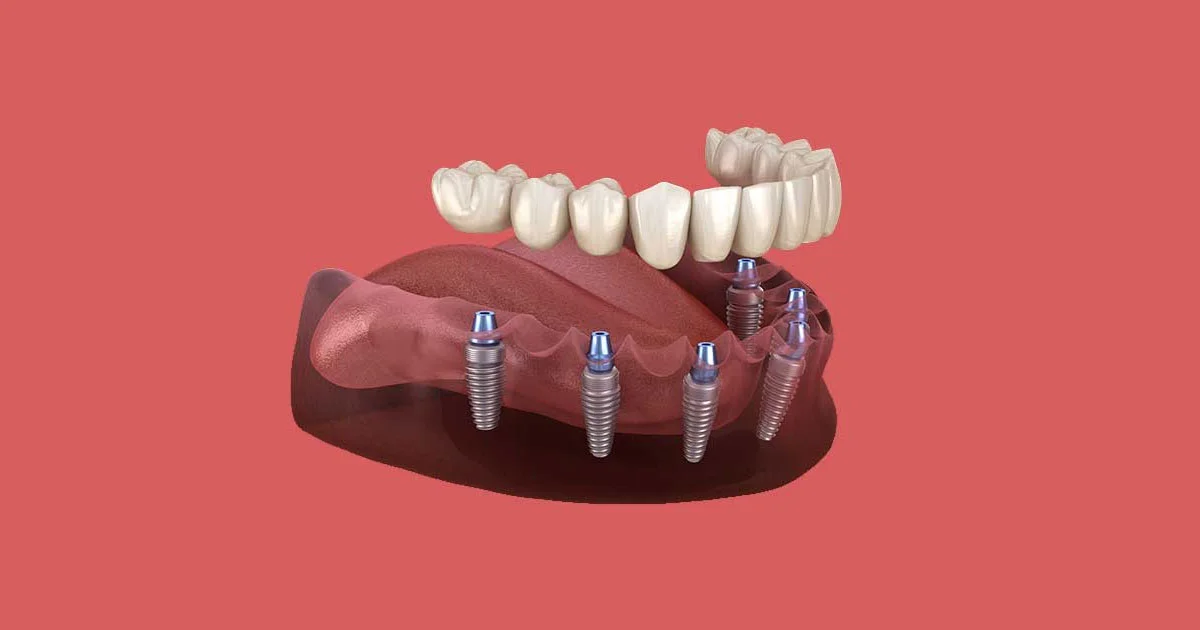
If you’ve ever felt hesitant to smile because of a chipped tooth, a big filling, or a tooth that looks uneven, a dental crown can be one of the most effective ways to bring back both strength and confidence. In Olive Branch, Indianapolis, many people choose crowns because they don’t just improve appearance—they protect the tooth and help it function normally again.
Let’s break down what crowns are, who needs them, how the process works, and what you can expect when getting one.
What is a dental crown?
A crown is a custom-made “cap” placed over a tooth to restore its original shape, size, and strength. Think of it like a protective helmet for your tooth—once placed, it shields the damaged tooth from further wear while also making it look natural.
Crowns are designed to match your surrounding teeth in color and size, so your smile stays consistent and aesthetically pleasing.
Why do people get crowns?
Crowns aren’t only for cosmetic reasons. They’re often recommended when a tooth is weakened or damaged and needs long-term support.
You may need a crown if you have:
-
A cracked or broken tooth
-
A tooth with a large filling that’s no longer stable
-
A tooth that’s worn down due to grinding
-
A tooth after a root canal treatment
-
A misshaped or severely discolored tooth
-
A dental implant that needs a top tooth placed over it
-
A bridge that needs support from nearby teeth
In many cases, a crown helps save a tooth that might otherwise need to be removed.
Types of crowns you can choose from
Your dentist will suggest the best crown material depending on your tooth’s condition, your bite, your budget, and your smile goals.
1) Porcelain or ceramic crowns
These are popular for front teeth because they look the most natural. They blend beautifully with your existing teeth.
2) Porcelain fused to metal (PFM)
A mix of strength and aesthetics. These can work well for both front and back teeth, though the metal base may show slightly at the gumline over time.
3) Zirconia crowns
Very strong and also natural-looking. A great option for back teeth where chewing pressure is high.
4) Metal crowns (gold or alloy)
Extremely durable and long-lasting, but mostly used in back teeth due to their metallic appearance.
The “best” crown is the one that fits your needs, comfort, and lifestyle.
The crown procedure: What happens step-by-step?
Getting a crown is usually a smooth process and typically requires one or two visits.
Step 1: Consultation and tooth preparation
Your dentist examines your tooth, may take X-rays, and checks if a crown is the right solution. Then the tooth is gently reshaped so the crown can fit perfectly over it. If the tooth is badly damaged, your dentist may rebuild part of it before shaping.
Step 2: Impressions and temporary crown
An impression or digital scan is taken to create your custom crown. While it’s being made, you’ll wear a temporary crown to protect the tooth.
Step 3: Final crown placement
Once ready, the temporary crown is removed, and the final crown is fitted, adjusted for comfort, and permanently fixed in place.
In some clinics, same-day crowns may be available depending on technology, but the standard method remains reliable and widely used.
Does getting a crown hurt?
Most people feel little to no pain during the procedure. Local anesthesia is used to keep you comfortable. After the appointment, mild sensitivity is common for a day or two, especially to cold or pressure—but it typically settles quickly.
If your bite feels “high” or uncomfortable after the crown is placed, your dentist can adjust it easily.
How long do crowns last?
Crowns can last 10 to 15 years or more, depending on the material and how well you care for them. Some crowns last even longer with good habits.
Crowns don’t require special maintenance, but they do need proper care like natural teeth.
Caring for your crown (and your tooth underneath)
Even though the crown covers your tooth, the tooth underneath still matters. Decay can still form near the gumline if oral hygiene isn’t maintained.
To keep your crown in great condition:
-
Brush twice daily with a soft toothbrush
-
Floss every day to protect the crown edges
-
Avoid biting hard foods like ice, pens, or hard candy
-
If you grind your teeth, consider using a night guard
-
Visit your dentist regularly for cleanings and checkups
Good care helps prevent crown damage and keeps your gums healthy around the crown.
When should you consider getting a crown?
If you’ve been living with sensitivity, discomfort while chewing, or a tooth that keeps breaking down, it’s worth getting checked. Crowns are a long-term solution that protects your tooth and improves function without compromising your natural smile.
In Olive Branch, Indianapolis, crowns are commonly chosen by people who want a strong, natural-looking restoration that helps them eat, speak, and smile confidently again.
Final thoughts
A crown isn’t just about fixing a tooth—it’s about restoring your comfort, confidence, and everyday ease. If you have a damaged or weakened tooth, a crown can be one of the smartest investments you make in your oral health.
When done correctly and cared for properly, crowns feel natural, look seamless, and support your smile for years to come.