Dental extractions are one of the most common dental procedures, yet many patients feel nervous when they hear the word. If you are considering extractions in Olive Branch or Indianapolis, understanding the process and purpose of the treatment can help you feel more confident and prepared. With modern dental care, extractions are safe, controlled, and focused on protecting your overall oral health.
A dental extraction is the removal of a tooth from its socket in the jawbone. Dentists usually recommend this option only when a tooth cannot be saved through restorative treatments such as fillings, crowns, or root canal therapy. Thanks to advanced anesthesia and updated techniques, extractions today are far more comfortable than most people expect.
There are several reasons why a dentist may suggest a tooth extraction. Severe tooth decay is one of the most common causes, especially when the damage reaches deep into the tooth and affects the nerve. Advanced gum disease can also loosen teeth by weakening the surrounding bone and tissue. Impacted or partially erupted wisdom teeth often need to be removed to prevent pain, infection, or crowding. In some cases, extractions are part of orthodontic treatment to create space for proper alignment. Teeth that are badly broken or pose a risk of infection to nearby teeth may also require removal.
Dental extractions generally fall into two categories. A simple extraction is performed when the tooth is visible above the gum line. The dentist gently loosens the tooth and removes it using specialized instruments. A surgical extraction is more complex and is required when a tooth is impacted, broken below the gum line, or not fully erupted. This type of extraction may involve a small incision in the gum and is commonly used for wisdom teeth. In both cases, the procedure is done under local anesthesia, and sedation options may be available for patients who feel anxious.
Before the extraction, the dentist will examine your mouth, review X-rays, and discuss your medical history. The area around the tooth is fully numbed, so you should not feel pain during the procedure. You may feel some pressure, but the process is usually quick. Simple extractions often take only a few minutes, while surgical extractions may take longer depending on the situation. Dental clinics in Olive Branch and Indianapolis focus strongly on patient comfort and clear communication throughout the visit.
Recovery after a dental extraction is an important part of healing. Mild swelling, soreness, or discomfort is normal for the first few days. Dentists typically recommend resting, avoiding smoking, and staying away from straws to protect the blood clot that forms in the socket. Soft foods and proper medication use help support healing, while gentle oral hygiene prevents infection. Following aftercare instructions carefully reduces the risk of complications such as dry socket.
Initial healing usually takes about one week, while complete healing of the bone and gums can take several weeks. Healing time depends on the type of extraction and your overall health. Dentists often schedule follow-up visits to ensure the area is healing properly and to address any concerns early.
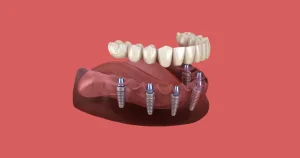
After a tooth is removed, replacement options may be discussed to maintain oral health and prevent shifting of nearby teeth. Dental implants, bridges, or partial dentures are commonly recommended based on individual needs and long-term goals.
Dental extractions may seem intimidating, but they are often the best solution for relieving pain and preventing future dental problems. With experienced dental care, modern techniques, and proper aftercare, patients in Olive Branch and Indianapolis can expect a smooth experience and a healthy recovery. If you are experiencing ongoing tooth pain or discomfort, early consultation with a dental professional can help determine the right treatment and protect your smile.