Dental problems often begin quietly. A mild sensitivity here, a little discomfort there—easy to ignore until the damage grows. One of the most common and effective ways to stop tooth decay in its tracks is with dental fillings. At Olive Branch Indianapolis, dental fillings are approached not just as a treatment, but as a careful process designed to restore comfort, strength, and confidence to your smile.
Understanding Dental Fillings
Dental fillings are used when a tooth has been damaged by decay, wear, or minor fractures. The goal is simple: remove the affected portion of the tooth and fill the space to prevent further damage. While the concept sounds straightforward, the execution requires precision, experience, and an understanding of each patient’s unique dental needs.
Modern fillings are designed to blend naturally with your teeth, allowing you to chew, smile, and speak without discomfort or self-consciousness. Advances in dental materials mean that fillings today are stronger, more durable, and far more natural-looking than those of the past.
When You Might Need a Filling
Many people are surprised to learn they need a filling because early decay doesn’t always cause pain. Some common signs include sensitivity to hot or cold foods, discomfort when biting, visible dark spots on teeth, or food frequently getting stuck in one area. Regular dental check-ups play a key role in identifying these issues early, often before symptoms become noticeable.
At Olive Branch Indianapolis, dentists focus on early detection. Catching decay early usually means a smaller filling, less time in the chair, and a better long-term outcome for the tooth.
Types of Fillings Used
The type of filling recommended depends on several factors, including the location of the tooth, the extent of the damage, and aesthetic considerations. Tooth-colored fillings are commonly chosen because they blend seamlessly with natural enamel. They are especially popular for front teeth or visible areas of the smile.
For areas that endure heavy chewing pressure, durable materials are selected to ensure long-lasting performance. The emphasis is always on preserving as much of the natural tooth as possible while providing strength and stability.
The Filling Procedure: What to Expect
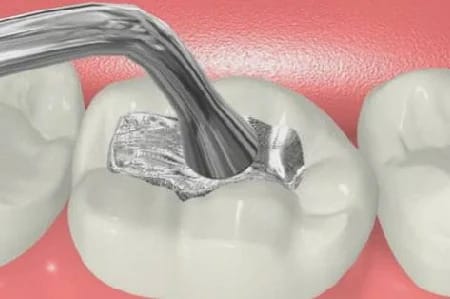
Many patients feel anxious about dental procedures, but getting a filling is usually quick and comfortable. The process typically begins with gently numbing the area to ensure a pain-free experience. The dentist then removes the decayed portion of the tooth, cleans the area thoroughly, and places the filling material in layers, shaping it carefully to match your bite.
Once complete, the filling is polished so it feels smooth and natural. Most patients are able to return to normal activities the same day, often forgetting they even had a procedure done.
Aftercare and Longevity
Dental fillings are designed to last for many years, especially when paired with good oral habits. Brushing twice daily, flossing regularly, and attending routine dental visits all help extend the life of a filling. Avoiding habits like chewing ice or using teeth to open packages can also prevent unnecessary wear or damage.
It’s normal to experience mild sensitivity for a short time after getting a filling, but this usually resolves quickly. If discomfort persists, a follow-up visit ensures everything is functioning as it should.
A Patient-Focused Approach
What sets Olive Branch Indianapolis apart is its emphasis on comfort, clarity, and trust. Patients are guided through each step, with procedures explained in simple terms and treatment decisions made collaboratively. The focus isn’t just on fixing a tooth—it’s on creating a calm, reassuring experience that leaves patients feeling confident about their dental health.
Dental fillings may be a routine procedure, but when done with care and precision, they play a vital role in maintaining a healthy, functional smile. Whether addressing early decay or repairing minor damage, the right approach to fillings helps protect your teeth today and well into the future.