
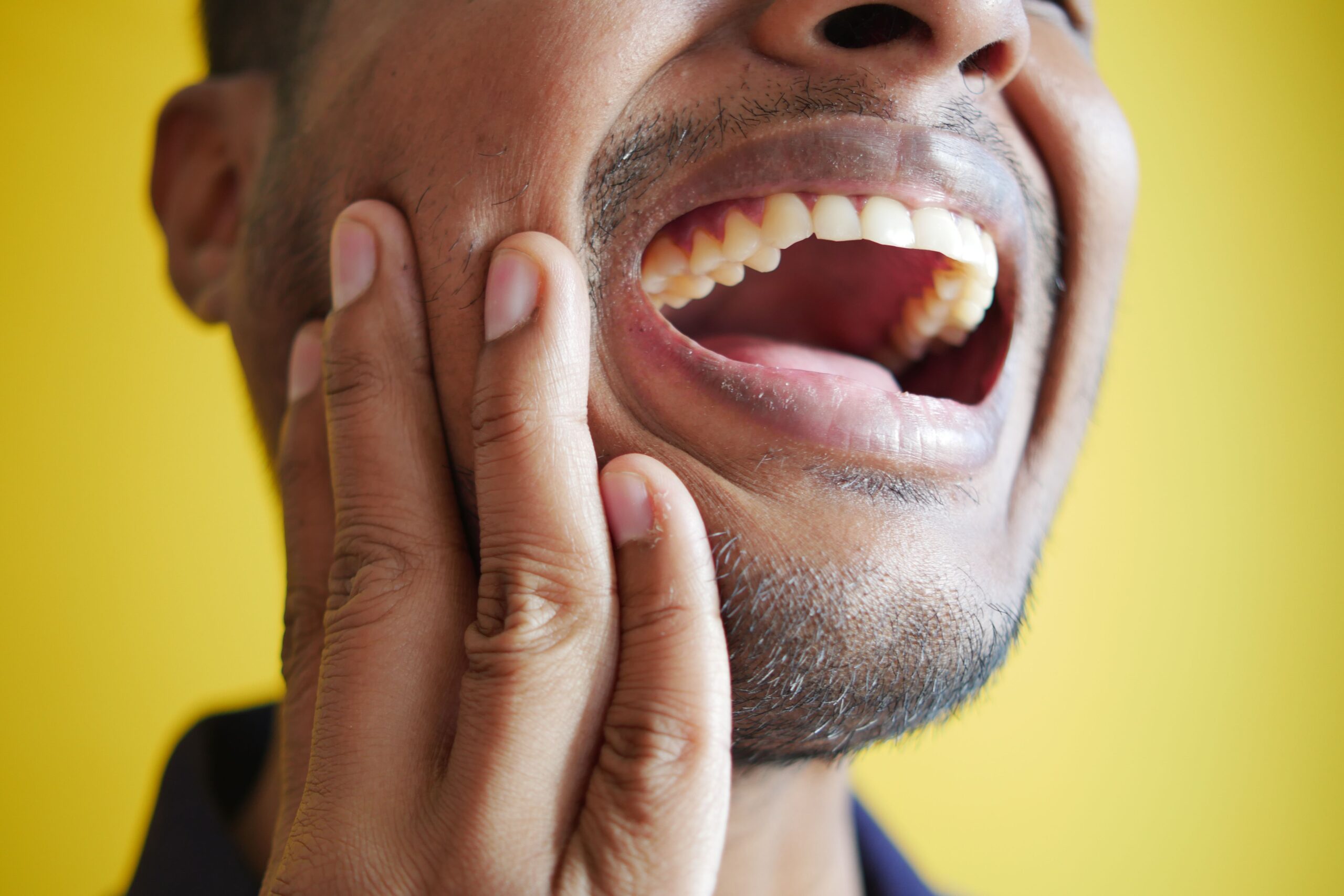
Dental emergencies rarely happen at a convenient time. A child takes a fall on the playground, a piece of ice cracks a tooth at a spring cookout, or a bike accident knocks a tooth loose entirely. Knowing what to do in the first few minutes after a dental injury can make a real difference in whether a tooth can be saved. Here is a practical, step-by-step guide from Olive Branch Dental for handling the most common dental emergencies.
A Knocked-Out Permanent Tooth
Time is critical here. Pick the tooth up by the crown, the white chewing surface, and avoid touching the root, which contains delicate tissue needed for reattachment. If the tooth is dirty, rinse it gently with water for no more than ten seconds without scrubbing or using soap. If possible, try to reinsert the tooth into its socket and hold it in place by gently biting down on gauze or a clean cloth. If reinsertion is not possible, place the tooth in a container of milk, saliva, or a tooth preservation product, never plain tap water, and get to a dentist or emergency room immediately. The best outcomes happen when a knocked-out tooth is treated within 30 to 60 minutes.
A Knocked-Out Baby Tooth
Unlike permanent teeth, baby teeth generally should not be reinserted, since doing so can damage the developing permanent tooth underneath. Instead, control any bleeding with gentle pressure using clean gauze and contact your pediatric or family dentist to determine if a follow-up visit is needed.
A Chipped or Fractured Tooth
Save any broken tooth fragments if you can find them and rinse the mouth gently with warm water. Apply a cold compress to the outside of the cheek near the injury to reduce swelling, and use gauze to control any bleeding. Even small chips should be evaluated soon, since a fracture can extend below the visible surface and expose the tooth to infection or further damage if left untreated.
A Severe Toothache
Rinse your mouth thoroughly with warm water to clear any debris that might be causing irritation, and gently floss around the tooth in case something is lodged between teeth. Do not place aspirin directly against the gum or tooth, as this can burn soft tissue. A cold compress and an over-the-counter pain reliever can help manage discomfort until you are seen. Persistent pain, especially with swelling or fever, should be treated as urgent.
A Lost Filling or Crown
If a crown falls out, try to keep it in a safe place and, if possible, temporarily reseat it using an over-the-counter dental cement from a pharmacy. Avoid chewing on that side of your mouth until you are seen. A missing filling can expose sensitive tooth structure, so keeping the area clean and avoiding very hot, cold, or sugary foods can help minimize discomfort in the meantime.
When to Go to the Emergency Room Instead
Most dental injuries should be directed to a dentist first, but certain situations call for immediate emergency room care. These include uncontrollable bleeding, a suspected jaw fracture, facial trauma involving the eyes or a possible concussion, or significant swelling that is affecting breathing or swallowing. When in doubt about the severity of an injury, err on the side of caution and seek emergency medical attention.
Building a Simple Dental Emergency Kit
Keeping a small kit on hand, whether at home, in a sports bag, or in the car, can make a big difference in a stressful moment. Useful items include a small container with a lid, sterile gauze, a cold pack, an over-the-counter pain reliever, and the phone number for your dentist’s emergency line. Acting quickly and calmly is often the biggest factor in a good outcome.
Staying Calm Helps Everyone
Dental emergencies are often more frightening than they are dangerous, especially when you know the right first steps. Staying calm helps you think clearly and reassures a frightened child or family member, which makes it easier to act quickly and effectively. Keep our office number saved in your phone, and do not hesitate to call, even if you are not sure whether a situation qualifies as an emergency. Our team would always rather talk you through a false alarm than have you wait too long on a tooth that needed prompt attention.
Frequently Asked Questions
Can a knocked-out tooth always be saved?
Not always, but acting within the first hour dramatically improves the odds. Even if the tooth cannot be reattached, prompt care allows your dentist to discuss the best replacement options quickly.
Is it safe to give my child pain medication before we arrive?
Age-appropriate over-the-counter pain relievers are generally safe following label instructions, but always check with your pediatrician or dentist if you are unsure.
Do you offer same-day emergency appointments?
Yes, Olive Branch Dental reserves time for dental emergencies. Call our office right away and our team will guide you on next steps and get you in as quickly as possible.
How can I prevent dental injuries during sports?
A custom-fitted mouthguard is one of the most effective ways to protect teeth during contact sports and recreational activities, and is far more protective than generic store-bought versions.
Save Our Number Before You Need It
Dental emergencies are stressful enough without scrambling to find help. Save Olive Branch Dental’s contact information now so you are prepared if an unexpected injury happens to you or your family in Indianapolis.
