Hearing the words “root canal” can instantly make anyone nervous. Most people imagine pain, long appointments, and a stressful recovery. But the truth is, modern root canal treatment is designed to relieve pain—not create it. If you’re considering root canals at Olive Branch in Indianapolis, this guide will help you understand why the treatment is needed, what the process looks like, and how you can recover comfortably with peace of mind.
What Exactly Is a Root Canal?
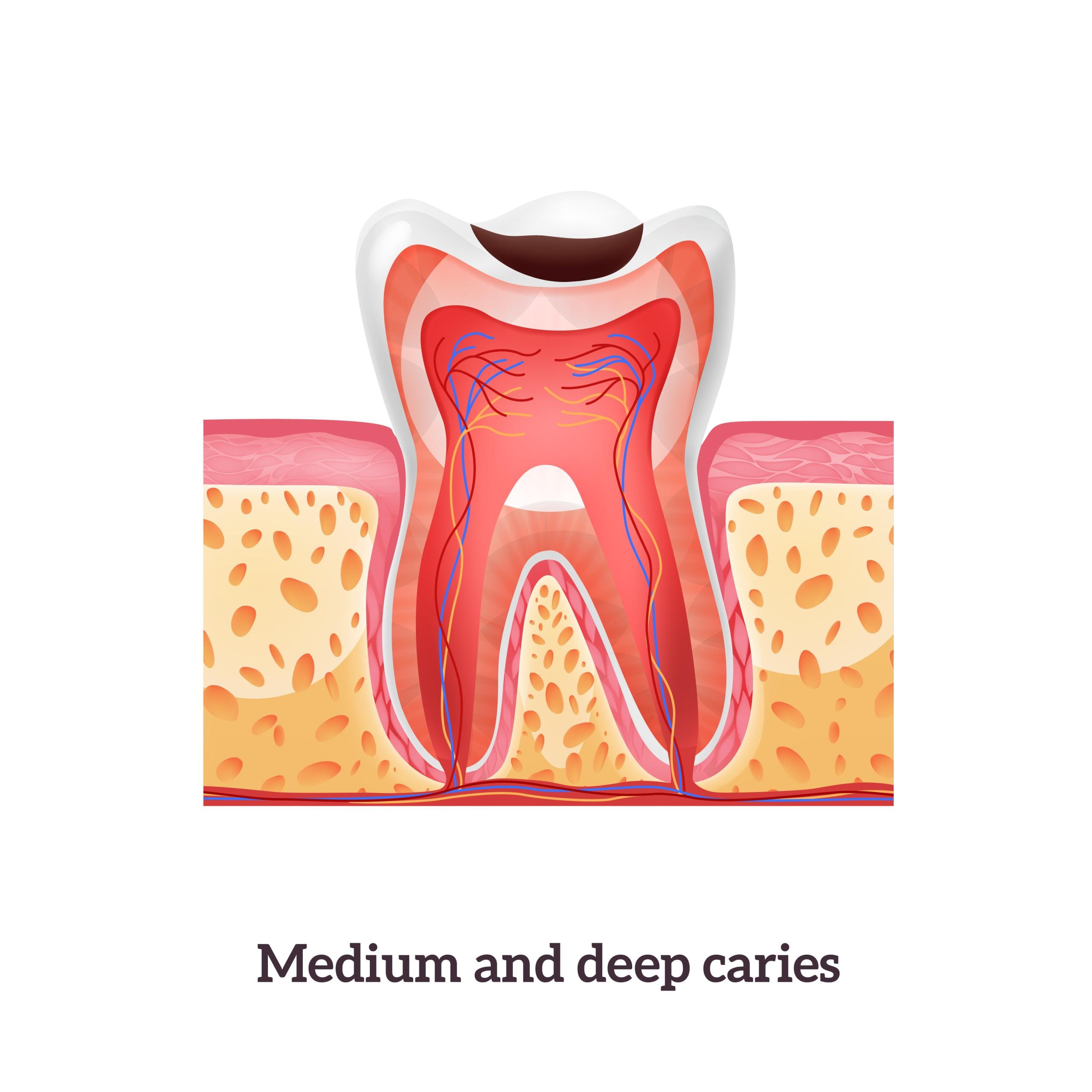
A root canal is a dental procedure that treats infection or damage inside a tooth. Every tooth has a soft inner part called the pulp, which contains nerves and blood vessels. When that pulp becomes infected due to deep decay, cracks, trauma, or repeated dental work, the tooth can start causing pain, swelling, and sensitivity. A root canal removes the infected tissue from inside the tooth, cleans the canals, and seals everything to prevent the infection from coming back.
The biggest benefit? It helps you keep your natural tooth instead of removing it.
Signs You Might Need a Root Canal
Sometimes, the symptoms are obvious, but in a few cases, the tooth infection can be silent until it becomes severe. Common signs include:
-
Tooth pain that lingers or worsens over time
-
Sharp pain while chewing or biting
-
Sensitivity to hot or cold that doesn’t fade quickly
-
Swollen or tender gums near the tooth
-
A pimple-like bump on the gums
-
Darkening or discoloration of the tooth
-
A feeling of pressure in the jaw
If you’ve noticed any of these, it’s best not to wait. Dental infections don’t heal on their own—they usually progress and can spread deeper if left untreated.
Why Root Canals Are Recommended
A root canal is typically suggested when a tooth is too damaged to be saved with a regular filling. The goal is to protect your overall oral health and avoid bigger complications. Saving the tooth helps maintain your bite balance, prevents shifting of nearby teeth, and keeps your chewing strong and comfortable.
Many people assume extraction is the “easy” option, but replacing a missing tooth often requires additional treatments like implants or bridges. Root canals can be the more natural and cost-effective way to preserve your smile.
What Happens During a Root Canal Appointment?
Root canals today are far more comfortable than their reputation suggests. At Olive Branch in Indianapolis, the focus is usually on gentle care, clear communication, and making the experience as smooth as possible.
Here’s what the typical process looks like:
1) Exam and Imaging
The dentist evaluates the tooth and checks the extent of infection. This helps confirm whether a root canal is necessary and how many canals need treatment.
2) Numbing the Area
Local anesthesia is used to make sure you don’t feel pain during the procedure. Most patients feel pressure, but not sharp discomfort.
3) Cleaning the Infection
A small opening is created in the tooth to access the infected pulp. The canals are carefully cleaned and disinfected to remove bacteria and damaged tissue.
4) Sealing the Tooth
Once cleaned, the canals are filled and sealed to prevent reinfection.
5) Protection After Treatment
In many cases, a crown is recommended after a root canal to strengthen the tooth and protect it from cracking. Since the tooth no longer has a living pulp, it can become more fragile over time without the right reinforcement.
Does a Root Canal Hurt?
This is the biggest question people ask—and the simplest answer is: root canals are meant to stop pain, not cause it.
Most discomfort usually comes from the infection itself before treatment. After the procedure, it’s normal to feel mild soreness for a day or two, especially when chewing. This can usually be managed with dentist-approved pain relief and soft foods. The majority of patients return to their normal routine quickly.
How Long Does Recovery Take?
Recovery is generally straightforward. You may experience:
-
Slight tenderness
-
Mild jaw soreness from keeping your mouth open
-
Sensitivity when biting until the tooth settles
For the first 24–48 hours, it helps to avoid chewing on the treated side, especially if your permanent crown hasn’t been placed yet. Stick to softer foods, stay hydrated, and maintain gentle brushing and flossing.
If you ever notice swelling, severe pain, or symptoms that increase instead of improving, contact your dental office right away.
Tips to Prevent Needing a Root Canal Again
While no one plans for a root canal, there are simple habits that reduce the risk of infections and deep decay:
-
Brush twice a day and clean between teeth daily
-
Don’t ignore tooth sensitivity or gum swelling
-
Visit your dentist regularly for checkups and cleanings
-
Avoid chewing hard items like ice or pens
-
Treat cavities early before they reach deeper layers
Prevention is always easier than treatment, but when treatment is necessary, it’s reassuring to know it’s safe and effective.
Final Thoughts
Root canal treatment is one of the best ways to save a tooth that would otherwise be lost to infection. If you’re exploring root canals at Olive Branch in Indianapolis, the most important step is getting the tooth evaluated early. The sooner an infection is treated, the easier the recovery tends to be—and the faster you can get back to eating, smiling, and living comfortably without pain.