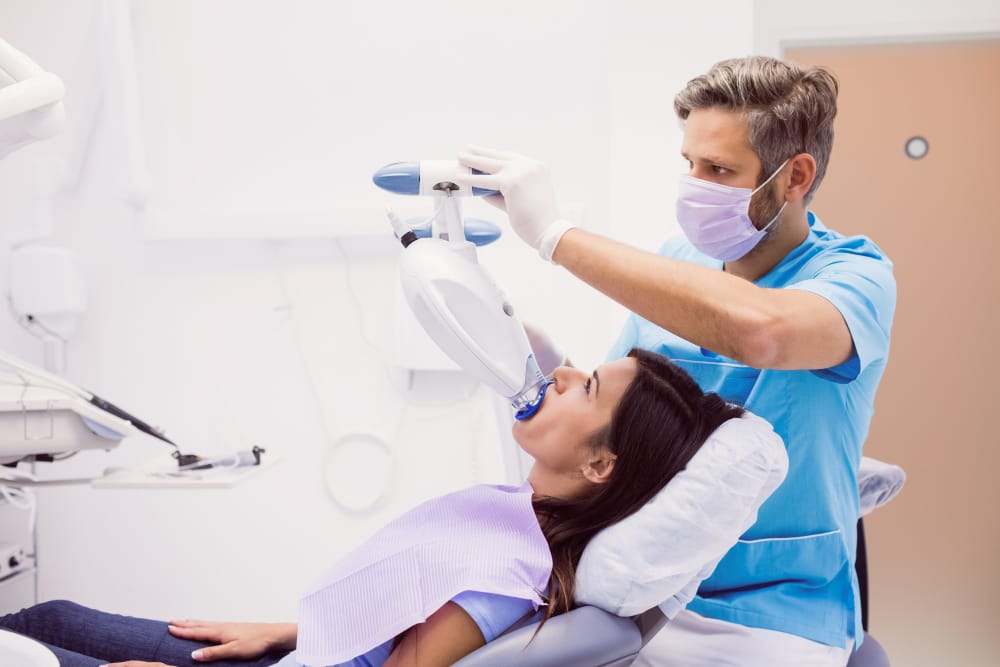
When it comes to maintaining a healthy smile, the most effective approach is not treatment—it’s prevention. Many people tend to visit the dentist only when discomfort begins, but oral health works best when problems are addressed before they even start. Preventive dental care focuses on keeping your teeth and gums in excellent condition through consistent monitoring, early detection, and routine maintenance.
Good oral hygiene habits at home are the first step, but they are only part of the bigger picture. Daily brushing and flossing help control plaque buildup, yet some areas in the mouth are difficult to clean effectively without professional tools. Over time, plaque can harden into tartar, which cannot be removed through regular brushing alone. This buildup can lead to gum irritation, cavities, and even infections if left untreated. Routine dental visits help eliminate these risks by ensuring that any hidden issues are caught early.
Professional cleanings are one of the most essential elements of preventive care. During these appointments, dental hygienists remove accumulated plaque and tartar while polishing the teeth to minimize future buildup. These sessions also provide an opportunity to assess the overall condition of your mouth. Dentists can examine the gums, teeth, jaw alignment, and soft tissues for signs of potential concerns such as decay, inflammation, or abnormal growths.
Regular examinations allow for early diagnosis of dental problems before they become severe. For instance, a small cavity can often be treated quickly and painlessly if detected in time. However, if ignored, it may develop into a deeper infection that requires more complex procedures. Similarly, early signs of gum disease can be managed through simple treatments and improved oral care practices. Addressing these conditions at the right stage prevents them from progressing into serious complications that could affect both dental and general health.
Preventive care also plays a crucial role in protecting children’s oral health. Establishing healthy dental habits at a young age encourages proper hygiene routines that last a lifetime. Routine check-ups help monitor tooth development and identify alignment issues early, allowing timely intervention if necessary. Fluoride treatments and protective sealants are commonly used preventive measures that strengthen enamel and reduce the risk of cavities in growing teeth.
Another important aspect of preventive dentistry is patient education. Dentists guide individuals on the best techniques for brushing and flossing, as well as provide advice on nutrition and lifestyle habits that support oral health. Consuming excessive sugary foods and beverages can increase the risk of tooth decay, while smoking or tobacco use may contribute to gum disease and other complications. Learning how these factors affect oral health empowers patients to make informed decisions that benefit their overall well-being.
Preventive dental care extends beyond aesthetics—it supports long-term health and confidence. Oral infections have been linked to various systemic conditions, including heart disease and diabetes. Maintaining healthy gums and teeth can therefore contribute to better overall health by reducing the risk of inflammation and infection spreading throughout the body.
For residents in Indianapolis, prioritizing preventive care means investing in a healthier future. Routine visits, proper hygiene practices, and early detection can significantly reduce the need for extensive dental procedures later in life. A proactive approach ensures that your smile remains strong, functional, and bright for years to come.
By taking small steps today, you can avoid complex treatments tomorrow and enjoy lasting oral wellness that supports both comfort and confidence in everyday life.