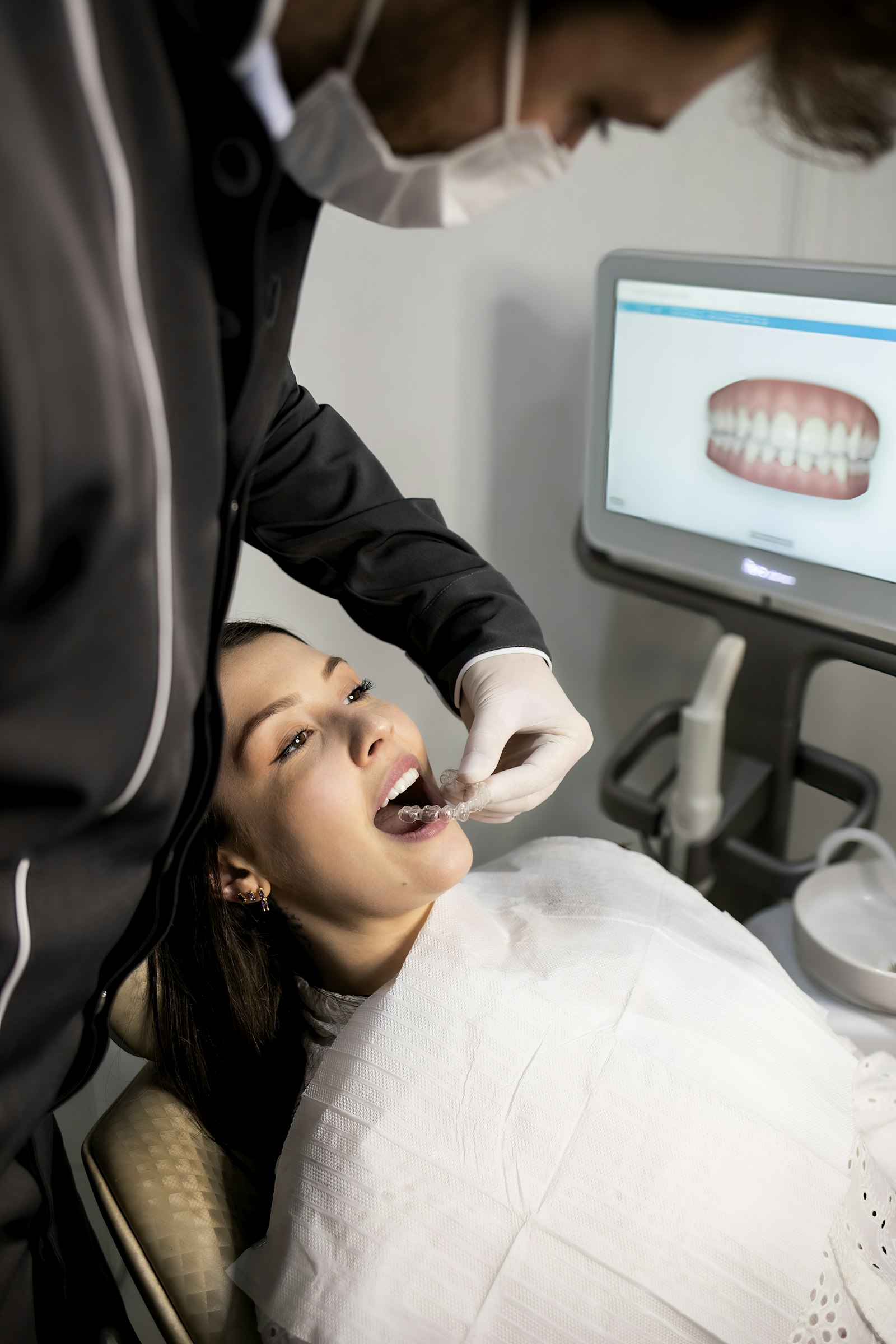
A dental crown is an investment in your smile. It protects a weakened tooth, restores its shape, and lets you chew with confidence again. Naturally, one of the first questions patients ask is how long do dental crowns last? The answer depends on the material, the location of the tooth, and how well you care for it. At Olive Branch Dental in Indianapolis, we help patients understand what to expect and how to keep their crowns strong for years.
The Average Lifespan of a Dental Crown
Most dental crowns last between 10 and 15 years, and many last much longer with good care. Some crowns remain in place for 20 years or more. Like natural teeth, crowns face daily wear from chewing, temperature changes, and habits such as clenching or grinding. The way you treat your crown has a major impact on how long it serves you.
How Crown Material Affects Longevity
Different materials offer different balances of strength and appearance:
- Zirconia: Extremely strong and resistant to chipping, making it a popular choice for back teeth that handle heavy chewing forces.
- Porcelain and lithium disilicate: Highly natural-looking and well suited to front teeth. Modern ceramics are durable, though they can chip under heavy grinding.
- Porcelain fused to metal: A long-standing option that combines strength with a tooth-colored surface. Over time, a thin dark line may show near the gums.
- Gold and metal alloys: Exceptionally long-lasting and gentle on opposing teeth, though less common today because of their appearance.
Our team will recommend the best material for your bite, your goals, and the tooth being restored.
Signs Your Crown May Need Attention
Crowns do not last forever, so it helps to know the warning signs that something has changed:
- Pain or sensitivity around the crowned tooth
- A crown that feels loose or moves when you chew
- Visible chips, cracks, or a dark line at the gumline
- Gums that are swollen, receding, or bleeding around the crown
- A bite that suddenly feels uneven
If you notice any of these, schedule a visit. Catching a problem early can sometimes allow a simple repair instead of a full replacement.
Tips to Help Your Crown Last Longer
The tooth under your crown can still develop decay at the edges, so daily care remains essential. These habits make a real difference:
- Brush twice and floss daily. Pay close attention to the area where the crown meets the gum.
- Avoid chewing hard objects. Ice, pen caps, hard candy, and popcorn kernels can chip or crack a crown.
- Protect against grinding. If you clench or grind at night, a custom night guard can shield both your crowns and natural teeth.
- Do not use teeth as tools. Opening packages or tearing tape puts stress on restorations.
- Keep regular checkups. Professional exams and cleanings let us check the fit and seal of your crown and spot early issues.
Frequently Asked Questions
Can a crowned tooth still get a cavity?
Yes. The crown itself cannot decay, but the natural tooth underneath can, especially along the edge near the gumline. Good brushing and flossing help prevent this.
What should I do if my crown falls off?
Keep the crown in a safe place, avoid chewing on that side, and call us promptly. In many cases, a crown can be cleaned and recemented if the tooth underneath is healthy.
Do crowns stain like natural teeth?
Porcelain and ceramic crowns resist staining well, but they do not respond to whitening. If you plan to whiten your teeth, it is best to do so before getting a crown on a visible tooth.
Keep Your Crown Strong With Olive Branch Dental
A well-made crown, combined with good daily habits and regular visits, can protect your tooth for many years. If you have questions about your existing crown or think you may need a new one, our team in Indianapolis is happy to help. Schedule your appointment with Olive Branch Dental today.