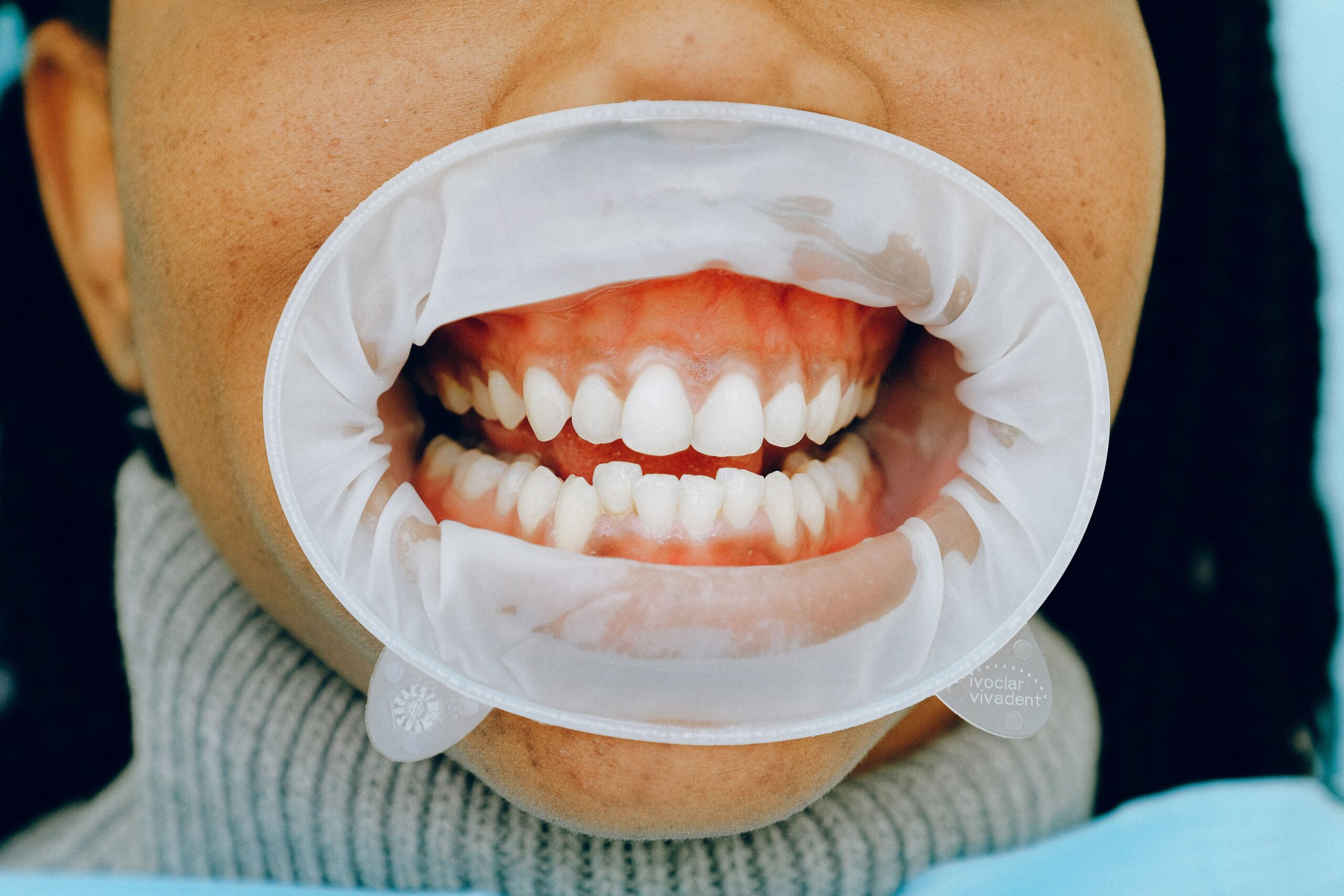
It is easy to think of gum health as a purely cosmetic concern, something that mostly affects how your smile looks. In reality, the health of your gums is closely connected to your overall wellbeing in ways that surprise many patients. At Olive Branch Dental in Indianapolis, we take a whole-health approach to dentistry, and understanding the mouth-body connection is a key part of that.
How Gum Disease Develops
Gum disease begins with plaque, a sticky film of bacteria that builds up along the gumline. Left untreated, plaque hardens into tartar, which irritates gum tissue and triggers inflammation. In its earliest stage, called gingivitis, this inflammation is reversible with improved hygiene and professional cleaning. If it progresses into periodontitis, the infection begins affecting the bone and connective tissue that hold your teeth in place, and the damage becomes more difficult to fully reverse.
The Link Between Gum Disease and Heart Health
Research has found a notable association between gum disease and cardiovascular problems, including heart disease and stroke. One leading theory is that chronic inflammation from gum disease contributes to inflammation throughout the body, including in blood vessels, while bacteria from infected gums may also enter the bloodstream and contribute to arterial issues. While gum disease is not considered a direct cause of heart disease, the connection is significant enough that many physicians and dentists now consider oral health an important piece of cardiovascular risk assessment.
Gum Disease and Diabetes: A Two-Way Relationship
The relationship between gum disease and diabetes runs in both directions. Diabetes can make patients more susceptible to infections, including gum disease, due to its effects on blood sugar and healing. At the same time, gum disease can make blood sugar more difficult to control, creating a cycle where each condition can worsen the other. For patients managing diabetes, maintaining strong gum health is considered an important part of overall diabetes management.
Respiratory Health Connections
Bacteria from periodontal disease can potentially be inhaled into the lungs, and research has linked gum disease to an increased risk of respiratory infections and complications, particularly in older adults and those with existing respiratory conditions. Maintaining good oral hygiene is one factor that may help reduce this risk alongside other respiratory health measures.
Pregnancy and Gum Health
Hormonal changes during pregnancy can make gums more sensitive and prone to inflammation, a condition sometimes called pregnancy gingivitis. Research has also explored links between severe gum disease and pregnancy complications, making dental checkups an important part of prenatal care. Many dentists recommend continuing regular cleanings throughout pregnancy, and most routine dental care is considered safe during this time.
Recognizing Early Warning Signs
Because gum disease often develops without pain in its early stages, it is important to watch for other signs, including gums that bleed during brushing or flossing, persistent bad breath, gums that appear red or swollen, and any gum recession or sensitivity near the gumline. Regular dental checkups remain one of the most reliable ways to catch gum disease before symptoms become noticeable, since your dentist can measure gum pocket depth and spot inflammation long before you would notice it yourself.
Protecting Your Gums, Protecting Your Health
The good news is that gum disease is highly preventable and, in its earliest stage, fully reversible. Consistent brushing twice daily, flossing once a day, avoiding tobacco products, and keeping up with regular six-month checkups and cleanings go a long way toward protecting both your smile and your broader health. Patients with risk factors like diabetes or a family history of gum disease may benefit from more frequent monitoring, which your dentist can help determine.
Frequently Asked Questions
Does treating gum disease actually improve other health conditions?
While gum treatment is not a cure for conditions like heart disease or diabetes, improving gum health can support better overall inflammation control and, in the case of diabetes, may contribute to improved blood sugar management.
How often should I get my gums checked?
Most patients benefit from a gum health evaluation at each six-month checkup, though patients with risk factors or existing gum disease may need more frequent monitoring.
Can gum disease be reversed?
The earliest stage, gingivitis, is fully reversible with improved hygiene and professional cleaning. More advanced periodontitis cannot be fully reversed but can be effectively managed to prevent further progression.
Is bleeding when I floss always a sign of a problem?
Occasional bleeding when starting a new flossing routine is common and often improves within a week or two. Persistent bleeding over time is worth having evaluated.
Should I mention gum health concerns to my doctor too?
It is worth mentioning, especially if you have a chronic condition like diabetes or heart disease, since your dentist and physician can work together to support your overall health.
Protect Your Gums and Your Overall Health
Your gum health is more connected to your overall wellness than you might realize. Schedule a checkup with Olive Branch Dental in Indianapolis today to protect both your smile and your long-term health.