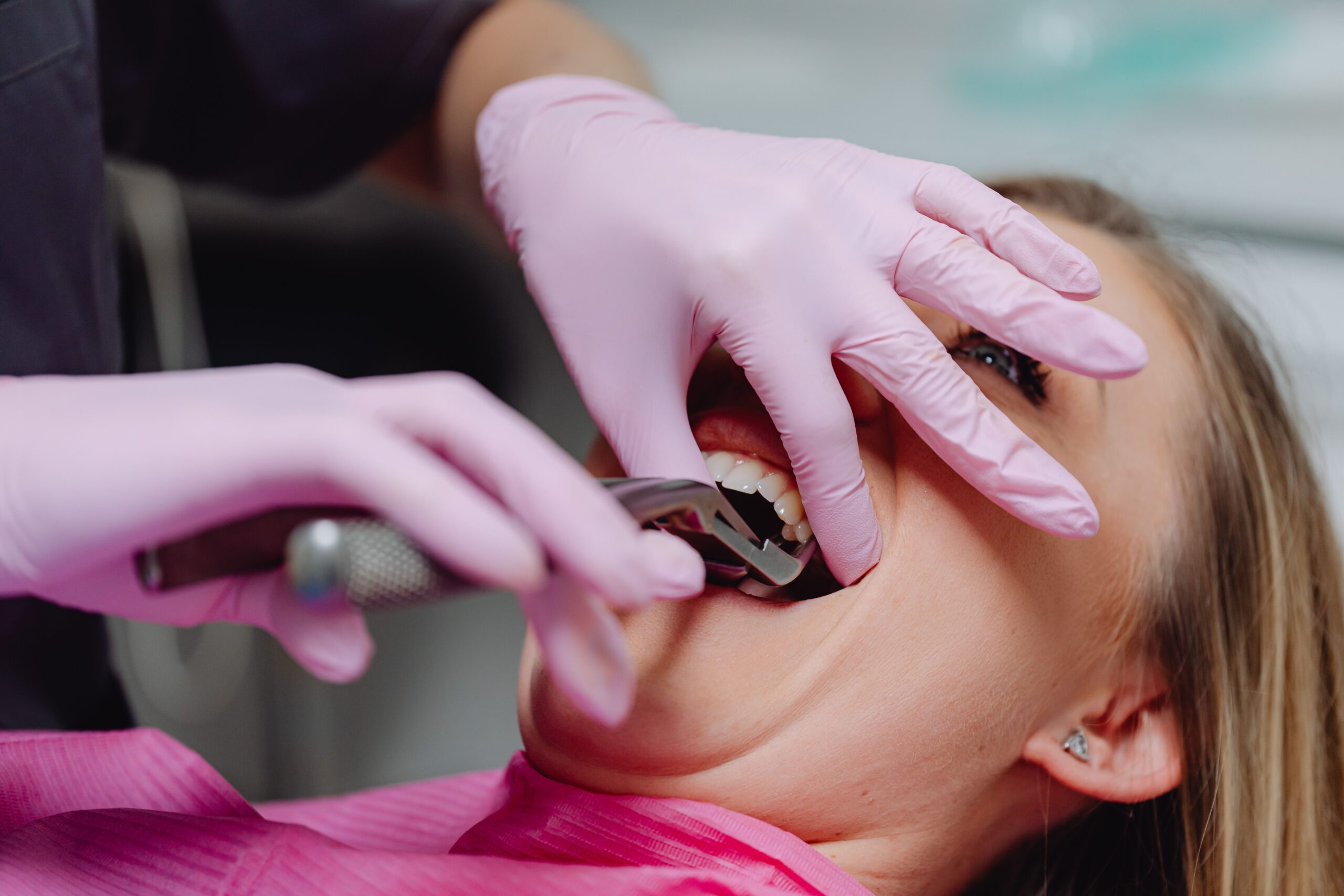
Whether you have just had a tooth extracted or one is scheduled soon, knowing what a normal healing timeline looks like can ease a lot of uncertainty. At Olive Branch Dental in Indianapolis, we walk every patient through what to expect in the days and weeks following an extraction, along with practical aftercare tips to support smooth, comfortable healing.
The First Few Hours
Immediately after your extraction, gauze is placed over the site to control bleeding, and you will be instructed to bite down firmly to encourage a blood clot to form, which is essential to proper healing. This clot protects the underlying bone and nerve endings, so avoiding anything that could dislodge it, including spitting forcefully, using a straw, or smoking, is critical during this early window. Numbness from local anesthesia typically wears off within a few hours.
The First 24 Hours
Some bleeding and swelling are normal during the first day. Applying a cold compress to the outside of your cheek in 15 to 20 minute intervals helps control swelling, and keeping your head elevated while resting can also help. Stick to soft, cool foods like yogurt, applesauce, and smoothies, and take any recommended pain medication as directed. Avoid rinsing your mouth vigorously during this window, as gentle care protects the healing clot.
Days Two and Three
Swelling often peaks around the second day before gradually beginning to subside. You can start gently rinsing with warm salt water beginning the day after your extraction, which helps keep the area clean without disturbing the healing clot. Continue with soft foods and avoid chewing directly on the extraction site. Most patients notice discomfort becoming more manageable during this window.
Days Four Through Seven
By this point, most patients experience significant improvement in both swelling and discomfort. You can gradually begin reintroducing slightly firmer foods as comfort allows, though it is still wise to avoid anything hard, crunchy, or sticky near the extraction site. Continue avoiding straws and smoking throughout this entire first week to protect the healing clot and reduce the risk of dry socket.
Week Two and Beyond
Most patients feel essentially back to normal by the end of the first week or into the second, with the visible gum tissue continuing to heal beneath the surface for several more weeks. The underlying bone takes longer to fully remodel, often a few months, though this deeper healing does not typically cause ongoing discomfort once the initial recovery period has passed.
Aftercare Habits That Support Healing
Beyond the day-by-day timeline, a few consistent habits support smooth healing throughout the process. Avoid smoking and using straws for at least a week, since suction can dislodge the healing clot. Stick to a soft food diet initially, gradually progressing as comfort allows. Keep up with gentle rinsing after the first 24 hours, and continue brushing your other teeth as normal while being gentle around the extraction site.
Watching for Dry Socket
Dry socket occurs when the healing blood clot is dislodged or dissolves too early, exposing the underlying bone and nerve endings. It typically presents as pain that worsens rather than improves after the first two to three days, sometimes accompanied by a noticeable bad taste or odor. If you suspect dry socket, contact your dentist promptly, since it requires specific treatment to relieve discomfort and support continued healing.
When to Contact Your Dentist
Reach out if you experience worsening pain after the first few days, bleeding that does not slow with gentle pressure, fever, or increasing rather than decreasing swelling after the first two days. These signs are uncommon but should be evaluated promptly to rule out infection or complications.
Frequently Asked Questions
How long until I can eat normally again?
Most patients return to a normal diet within about a week, starting with soft foods for the first few days and gradually reintroducing firmer textures as comfort allows.
Is some swelling still normal after a week?
Mild residual swelling can persist into the second week, particularly after more involved extractions, though it should be steadily improving rather than worsening.
When can I resume normal brushing near the extraction site?
You can gently resume brushing near the area after about a week, once the site has had time to begin healing, while continuing to brush your other teeth normally from the start.
Do I need to replace the extracted tooth?
In many cases, yes, particularly for back teeth, to prevent shifting of neighboring teeth over time. Your dentist can discuss replacement options during a follow-up visit.
What if my pain suddenly gets worse a few days in?
This can indicate dry socket and should be evaluated promptly, since it requires specific treatment to relieve discomfort and support proper healing.
Heal With Confidence
Knowing what to expect makes extraction recovery far less stressful. If you have questions about your healing or are experiencing anything unusual, our Indianapolis team at Olive Branch Dental is here to help.