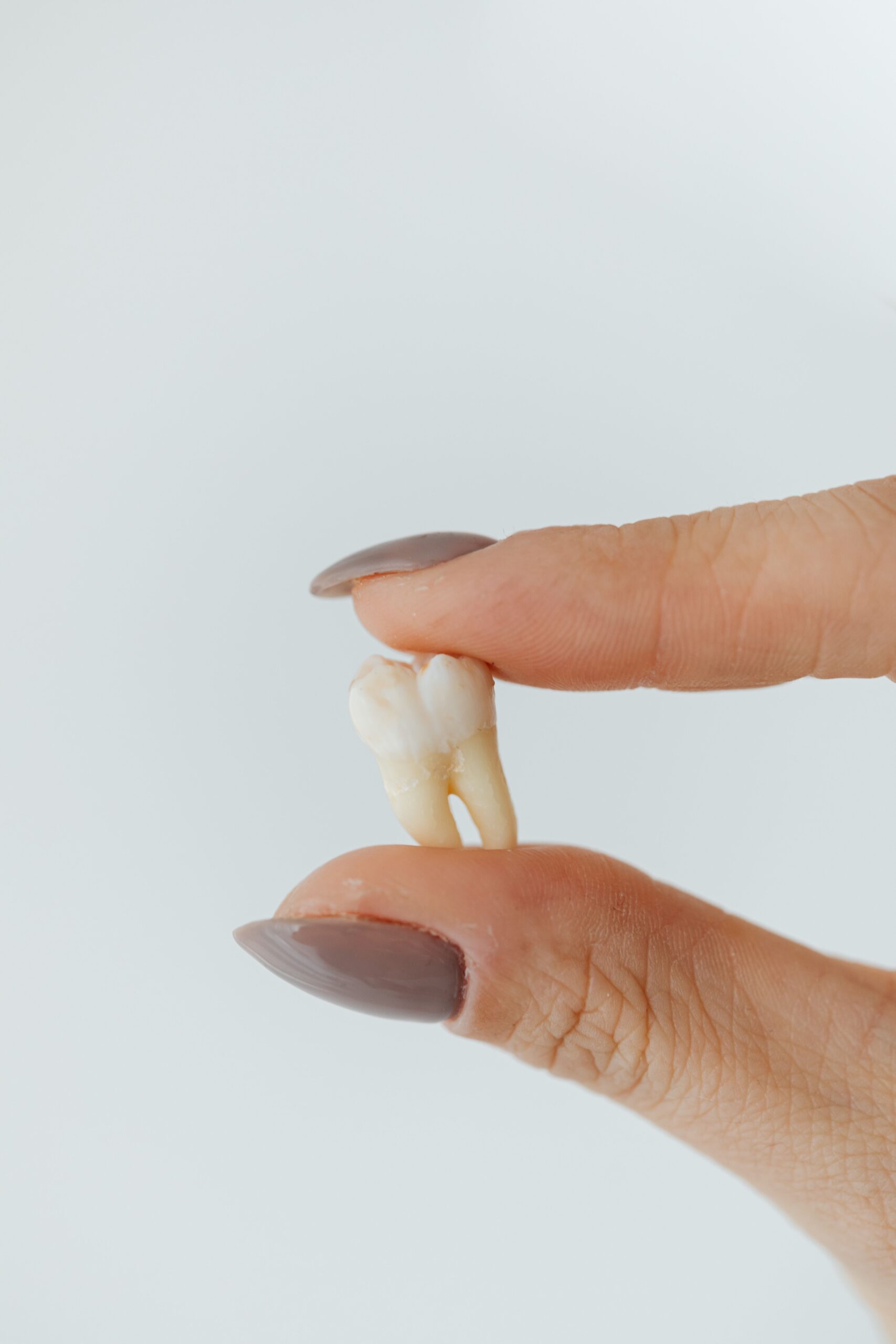
Wisdom tooth extraction is one of the most common oral surgeries performed, and knowing what to expect during recovery can make the experience far less stressful. At Olive Branch Dental in Indianapolis, we walk every patient through a clear recovery timeline, so you know exactly what is normal at each stage of healing.
Day of Surgery
Immediately after your procedure, gauze is placed over the extraction sites to control bleeding, and you will be instructed to bite down gently to help a blood clot form, which is essential for proper healing. Numbness from local anesthesia typically lasts a few hours, and if sedation was used, plan to rest for the remainder of the day with someone else driving you home. Swelling often begins within the first few hours, so starting cold compresses right away helps minimize how much develops.
Day One
Swelling usually continues to increase on the first full day after surgery, which is completely normal and often looks more dramatic than it feels. Continue using cold compresses in 15 to 20 minute intervals, take prescribed or recommended pain medication as directed, and stick to soft, cool foods like yogurt, applesauce, and smoothies. Avoid using a straw, since the suction can dislodge the healing blood clot and lead to a painful complication called dry socket.
Day Two
Swelling typically peaks around the second day before gradually beginning to improve. Bruising may also become more visible on the outside of the face near the jaw, which is a normal part of the healing process and will fade over the following week or two. Continue with soft foods, gentle rest, and pain management as needed, and begin gently rinsing with warm salt water starting on this day to help keep the extraction sites clean.
Days Three Through Five
Most patients notice a meaningful improvement in swelling and discomfort during this window, with many feeling well enough to return to light normal activities. Continue avoiding straws, smoking, and vigorous rinsing, all of which can disturb the healing clot. You can gradually begin reintroducing slightly firmer foods, though it is still wise to avoid anything hard, crunchy, or sticky near the extraction sites.
Days Six and Seven
By the end of the first week, most patients feel substantially back to normal, with swelling largely resolved and pain manageable without prescription medication for most people. Some mild residual stiffness in the jaw or tenderness near the extraction sites is still common and typically continues improving over the following week.
Weeks Two Through Four
While daily discomfort is usually gone well before this point, the gum tissue and underlying bone continue healing beneath the surface for several more weeks. Most patients can resume their full normal diet and activity level within two weeks, though complete healing of the extraction site can take a month or more, particularly for more complex or surgical extractions involving impacted teeth.
Signs to Watch For During Recovery
Contact your dentist if you experience severe pain that worsens after the first two to three days rather than improving, which can indicate dry socket, excessive bleeding that does not slow with gentle pressure, fever, or increasing rather than decreasing swelling after the first couple of days. These signs are uncommon but warrant prompt evaluation to rule out infection or complications.
Tips for a Smoother Recovery
Keep your head elevated while resting or sleeping during the first few days to help minimize swelling, stay well hydrated with water, avoid strenuous exercise for at least a few days, and follow any specific instructions provided by your dentist for your particular case, since recovery can vary based on whether teeth were impacted or straightforward to remove.
Frequently Asked Questions
How many days should I plan to take off work or school?
Most patients plan for two to three days of rest, though this varies based on the complexity of the extraction and individual healing. Physically demanding jobs may require additional recovery time.
When can I return to exercise?
Most dentists recommend avoiding strenuous exercise for at least three to five days, since increased blood pressure can disturb the healing clot and increase swelling or bleeding.
Is it normal to still have some swelling after a week?
Mild residual swelling can persist into the second week, particularly after more complex extractions, though it should be steadily improving rather than worsening.
When can I start brushing normally again?
You can resume gentle brushing of your other teeth right away, being careful to avoid the extraction sites directly for the first few days, then gradually reintroduce normal brushing as healing progresses.
What if my pain suddenly worsens a few days after surgery?
This can be a sign of dry socket and should be evaluated promptly, since it requires specific treatment to relieve discomfort and support proper healing.
Recover With Confidence
Knowing what to expect makes wisdom tooth recovery far less stressful. If you have questions about your upcoming extraction or are currently recovering, our Indianapolis team at Olive Branch Dental is here to help every step of the way.